Running the way it should
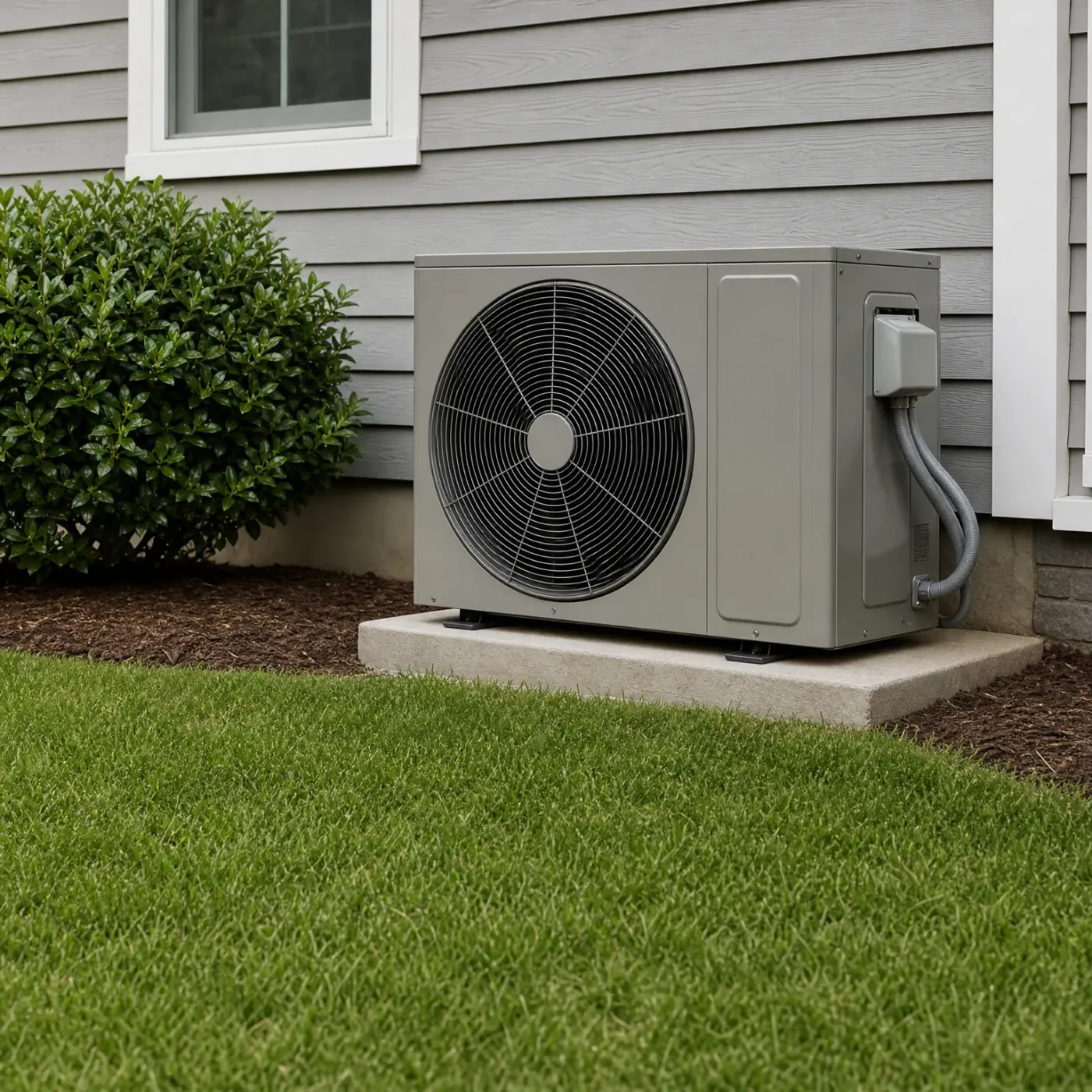
A clear drain line means condensation leaves the pan as fast as the coil makes it. No standing water, no grime building up where air flows over the grille. The pad stays dry and the unit outside just does its job.
A local pro for your heat pump repair
Water pooling around your air handler or dripping from a vent isn't normal, and with Florida humidity pushing your heat pump hard most of the year, a clogged drain line or frozen coil can turn into a real mess fast. This page walks through what's likely causing it. When you're ready, you can get matched with a contractor who'll look at your specific system and reach out.
Get matchedWater around your heat pump almost always means the condensate drain line is clogged. Algae and dirt build up inside that line over time, and once it's blocked, the water that's supposed to drain outside backs up and spills into the pan or down through your air handler instead. In Florida, the air stays thick with moisture most of the year, so the system pulls more water out of the air than it would somewhere drier, and that drain line works harder and clogs faster. The other common cause is a frozen evaporator coil, often from low refrigerant or restricted airflow, that thaws and dumps water all at once. Either way, the leak itself isn't the real problem. It's a sign something upstream needs attention, and left alone, it can mean water damage to your floors, walls, or the unit itself. A contractor can tell which one you're dealing with and clear it before it gets worse.



That water has to land somewhere, and if your air handler sits in a closet, attic, or utility room, it's landing on something that wasn't built to get wet. A pan can overflow onto the floor below it. An attic unit can send water through the ceiling before anyone notices a stain. Carpet, drywall, and the particleboard under a lot of attic platforms all soak it up and hold onto it, and in a state this humid, wet material doesn't dry out on its own between repairs.
Left alone, a clogged line usually gets worse, not better, especially with how hard your system runs here. If your heat pump has a float switch, it may just shut the unit off until the water clears, which means no cooling until that happens. If it doesn't, the dripping keeps going. Either way, this isn't something to work around for a few weeks. Once you send in your information, matching you with a contractor who handles this kind of repair in your area is the next step, and finding someone to look at it stops being on your plate.


A summer dew point averaging 74°F across June, July and August, per NOAA data, means your heat pump is pulling a lot more moisture out of the air than it would almost anywhere else. All that water has to leave through the condensate line, so the line is working harder and filling faster. That's why the clog that causes the leak tends to show up more than once if it's not cleared out fully. You might notice the drip starts up again after a few weeks even though nothing else about the system changed. The air itself didn't get worse. It's just that heavy, and your system is built to deal with it every day from June through August.
NASA POWER T2MDEW county cells weighted by homes
Look at the floor or the ceiling below where your air handler sits. A damp patch that keeps coming back, a soft spot in the drywall, or a musty smell in that closet or attic means water has been getting out for a while, not just today. Check the drain pan itself. If it's holding standing water instead of staying dry, the line isn't carrying it away like it should. You might also notice the system blowing warm air off and on, which happens when ice builds up on the coil and then melts. Left alone, that water keeps finding the same path out, and over weeks it can soften wood, stain ceilings, and feed mold in places you can't easily see.
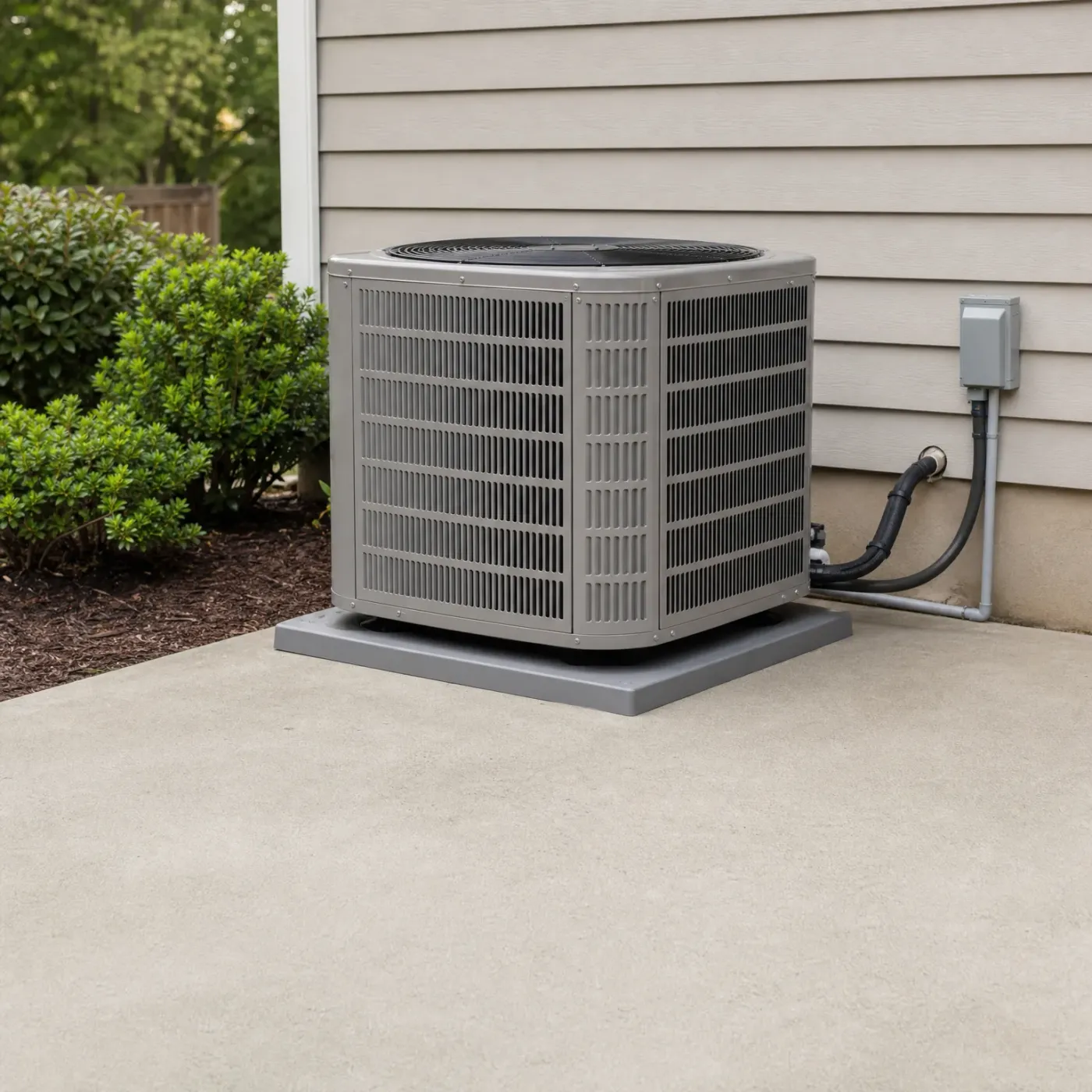
A clear drain line means condensation leaves the pan as fast as the coil makes it. No standing water, no grime building up where air flows over the grille. The pad stays dry and the unit outside just does its job.
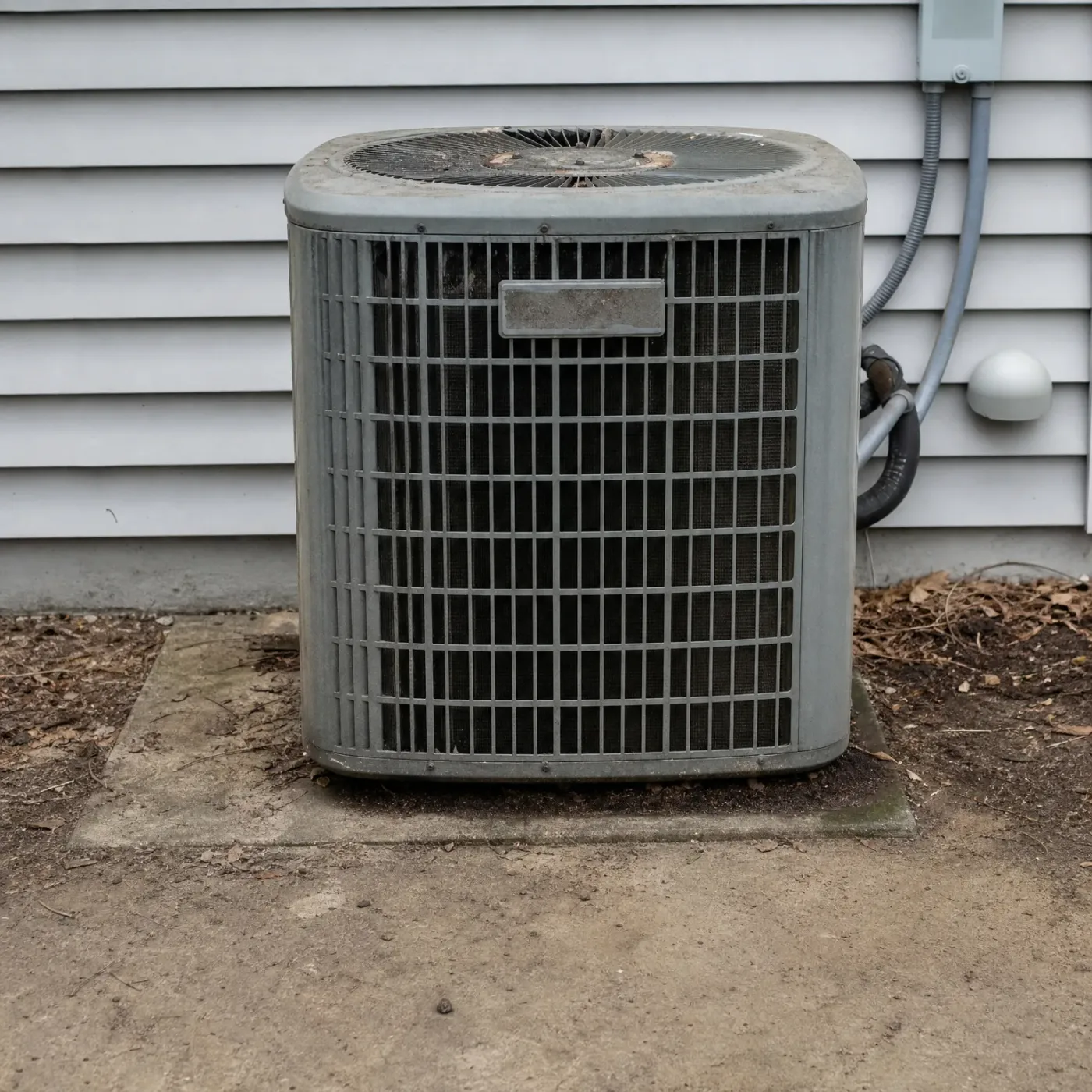
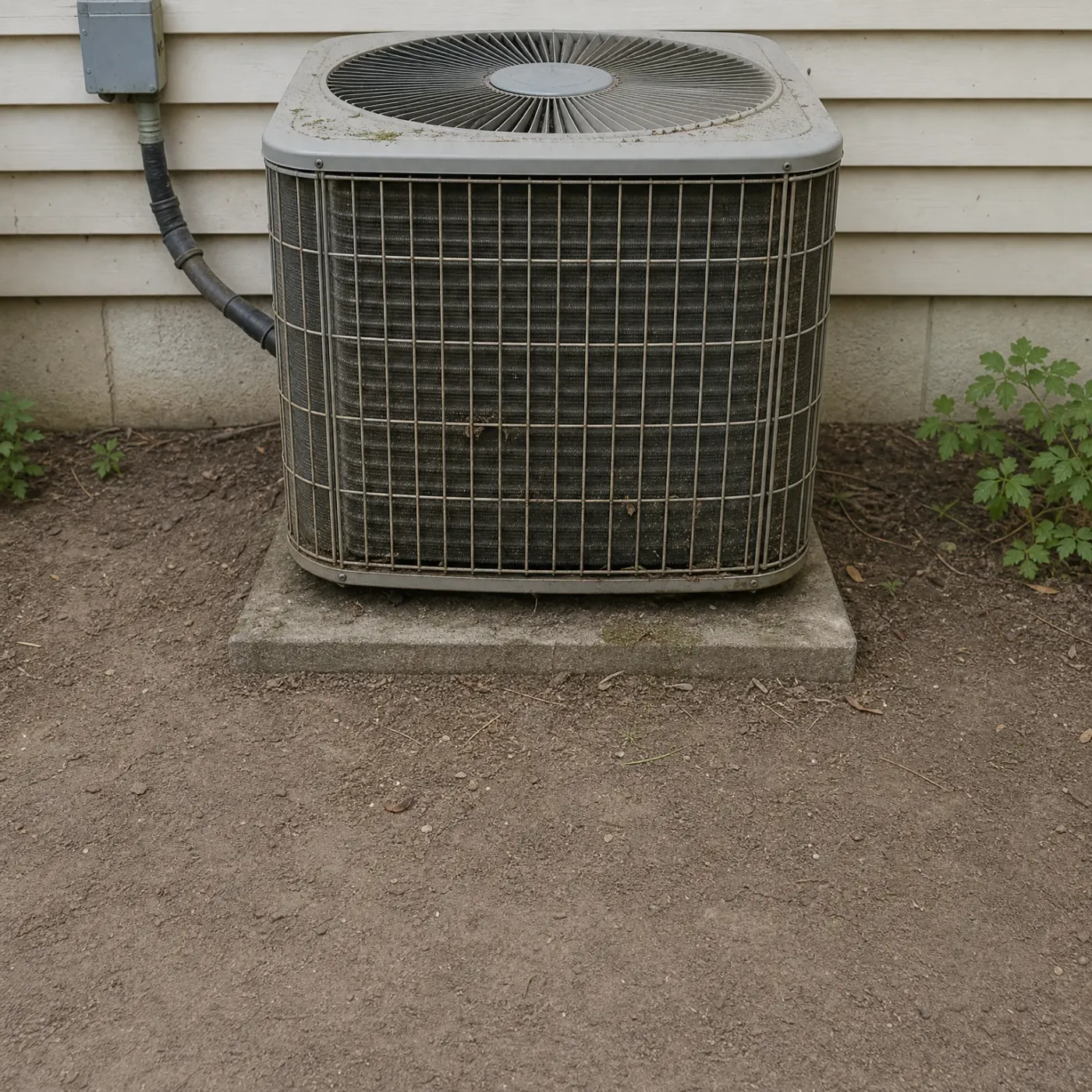
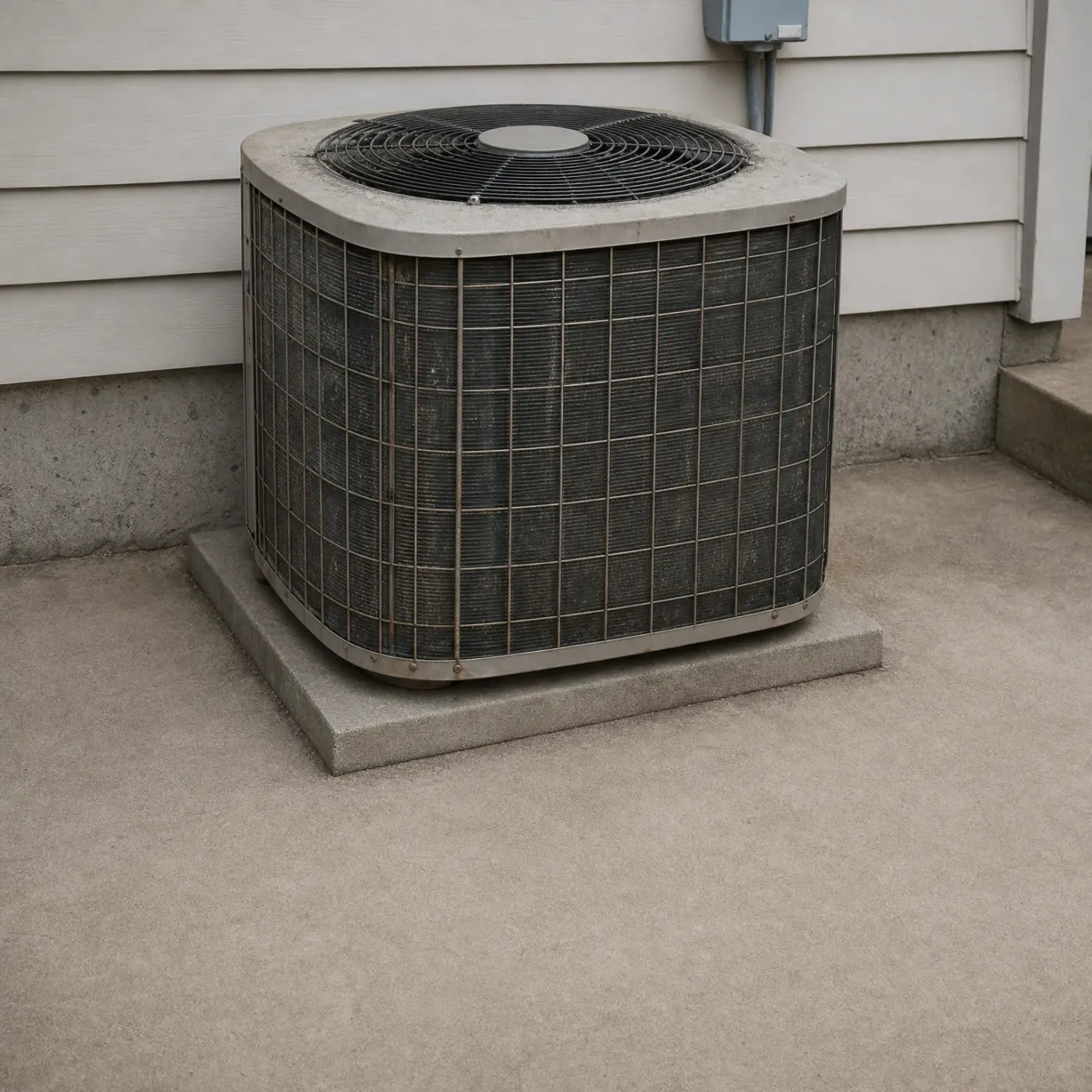
Dust caked across the grille and top panel traps moisture instead of letting it shed. Dead leaves piled against the base hold damp against the cabinet. That buildup is often sitting right next to the clog causing the water inside.




That drip under the air handler is not going to dry up on its own. With the dew point running the way it does here all summer, the heat pump is pulling water out of the air nonstop, and whatever caused the line to clog or the coil to freeze is still there tomorrow. Left alone, a clogged line keeps backing up, and a frozen coil keeps thawing and dripping every time the system cycles, so the water damage underneath it just keeps growing. A contractor can look at the line, the pan, and the coil, and find out which one is actually failing instead of you guessing from a wet spot on the floor. Get matched with one now and that's one less thing sitting on your list while the water keeps finding its way out.
The coil pulls moisture out of warm, humid air as it cools it.
Condensate drips down into a pan fitted under the coil.
The drain line carries that water out of the pan to the outside.
A clog or a frozen coil sends the water somewhere else instead.
You cleared the line once already, maybe more than once, and the water is back. It's starting to feel like the fix never really holds, and you want to know if that's normal here or if something about your setup is making it worse than it should be.
The line stays damp nearly year round here, and algae and mold need exactly that to grow. Every summer day your coil pulls moisture out of the air and sends it down that same narrow tube, and the buildup on the walls of the line feeds on it. A line that dries out between uses somewhere drier might go a year or two without a clog. Here, with the coil running most months, that buildup forms faster and narrows the line again not long after it's been cleared. A one-time flush gets water moving again, but it doesn't stop the line from collecting more growth the next week. That's why the same homes end up calling about this more than once.

It's past eleven and the air in the bedroom hasn't moved all night. The sheets stick to the back of your legs. You got up once already to find the window fogged over at the corners, the glass sweating the same way it does every August. Somewhere down the hall you can hear the air handler running, working harder than it should for a room that still feels thick. You push the sheet off, turn the pillow to the cool side, and lie there listening for the unit to cycle off. It doesn't. Outside, the dark holds the same heavy air it held at sunset, and the window keeps its fog until morning.
At just over 15 cents a kilowatt-hour, running your heat pump isn't the expensive part of this. A clogged line or a frozen coil makes it work harder for longer, and that shows up on the bill, but the water damage to your floor or ceiling costs a lot more than the extra power ever will.
EIA-861 2025 statewide residential average
Water showing up around your heat pump has one of two sources. The condensate line is clogged, or the coil froze and is now melting onto the pan, the floor, or both. Either way, the water you're looking at is a symptom, not the problem itself, and mopping it up doesn't touch what caused it. The line stays blocked until someone clears it. The coil stays prone to icing until whatever choked its airflow gets fixed. Everything sitting below the air handler, the drywall, the subfloor, the ceiling underneath, keeps absorbing water the whole time this goes unaddressed, and that kind of damage takes a lot longer to undo than the original clog would have. A contractor walking in can check the line, the pan, and the coil together and tell you which one failed first, since in a lot of cases one caused the other. That's not something you can see from where you're standing in the hallway looking at a wet patch on the ceiling. What you can do right now is stop guessing at it yourself. Fill out the form and the job of finding someone qualified to look at your specific unit stops being yours to carry. No clock starts ticking on your end. You're not left waiting by the phone wondering if you called the right person. Someone else takes it from here, and the water stops being something you're managing alone at eleven at night with a flashlight and a shop vac.
A pro who works on heat pumps