Is a dual fuel heat pump worth it in Florida

Step 1 of 3: Equipment

Probably not, if your home heats with electricity already. A dual fuel system backs up a heat pump with a gas furnace for the coldest stretches, switching over when outdoor temperatures drop low enough that the heat pump loses efficiency. Florida winters rarely get cold enough or stay cold long enough to make that switch worth paying for, since most homes here don't run on gas heat to begin with and would need a gas line added just to use it. Your heat pump already handles winter heating fine on its own most days. Where dual fuel pays off is in places with hard winters, long stretches below freezing, where a furnace is doing real work for months at a time. Here, a heat pump that's sized right and maintained does the job without a second fuel source. If your system is struggling to keep up on the coldest mornings, that's more often a sign it needs service or isn't sized for your home, not a case for adding gas.

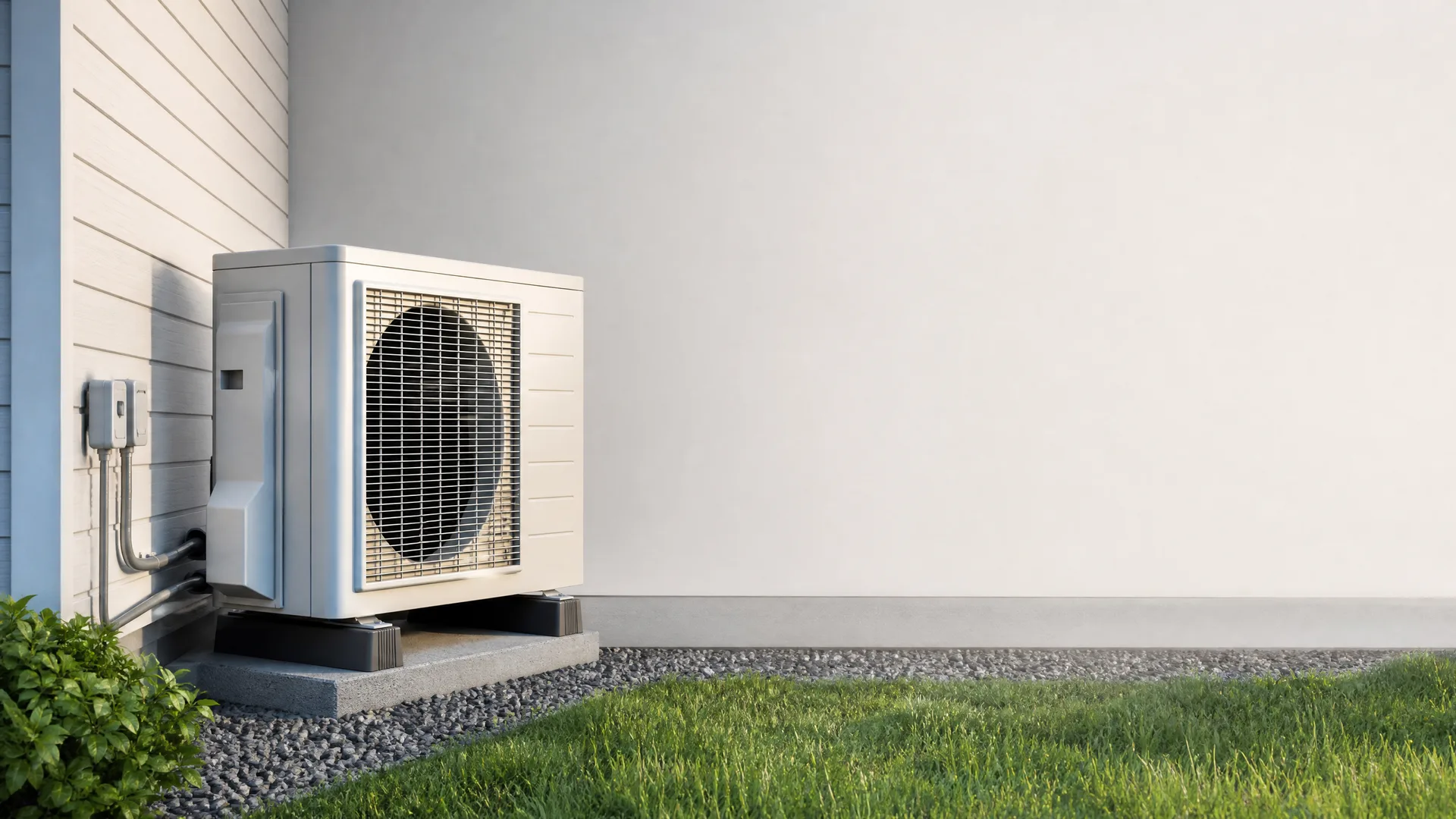
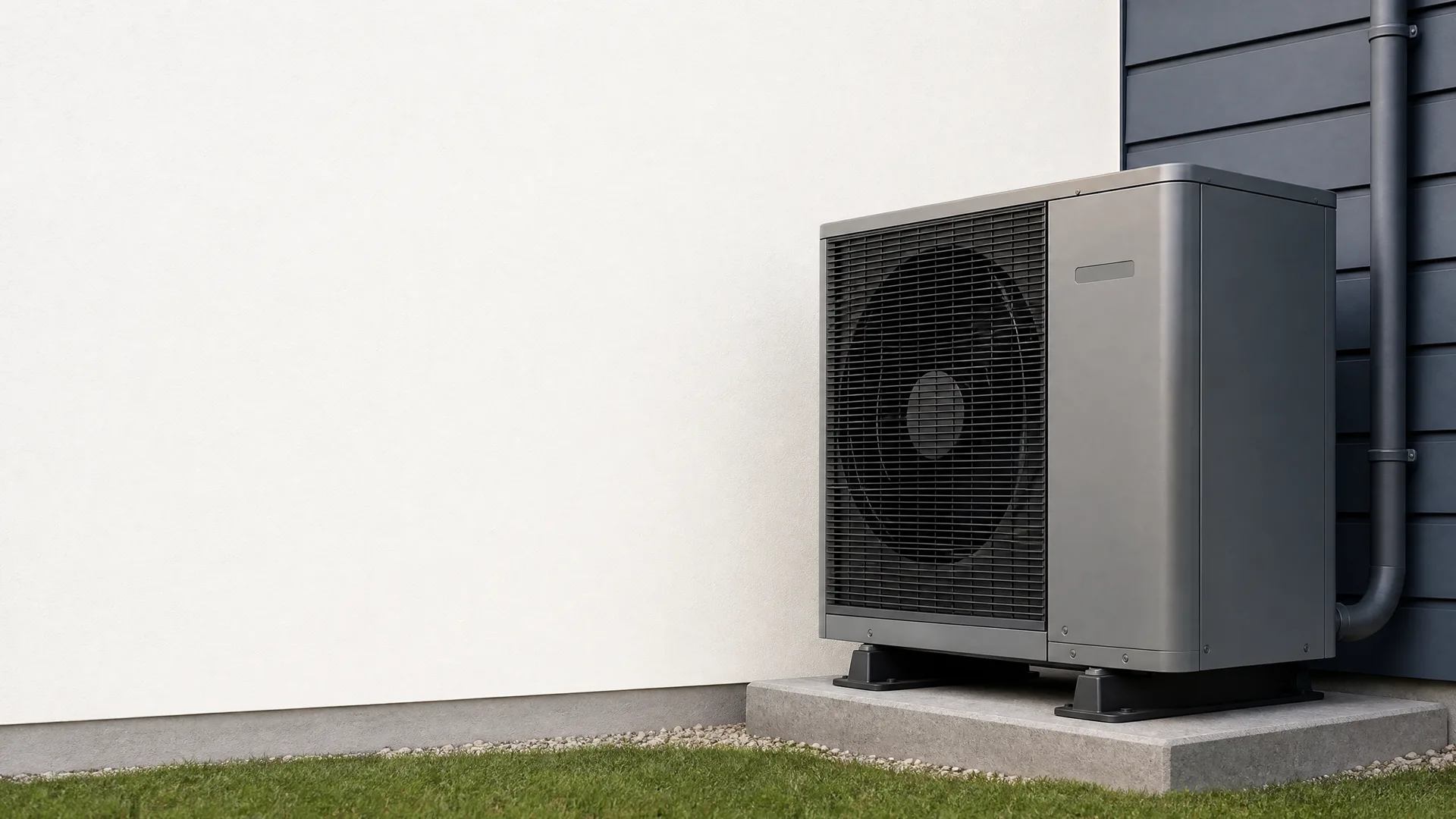
An outdoor heat pump unit on a concrete pad beside a house corner, with a small electrical box and conduit on the wall, gravel border, grass, and a plain light-colored wall filling the right side.

Why the switch point matters

A dual fuel system earns its keep when outdoor temperatures fall far enough that a heat pump has to work harder than a furnace would to produce the same heat. In most of Florida, nights rarely drop into that range for long. The heat pump already installed in your home can carry the load on its own most winters, which is why adding a furnace and the gas line it needs often has no real work to do.

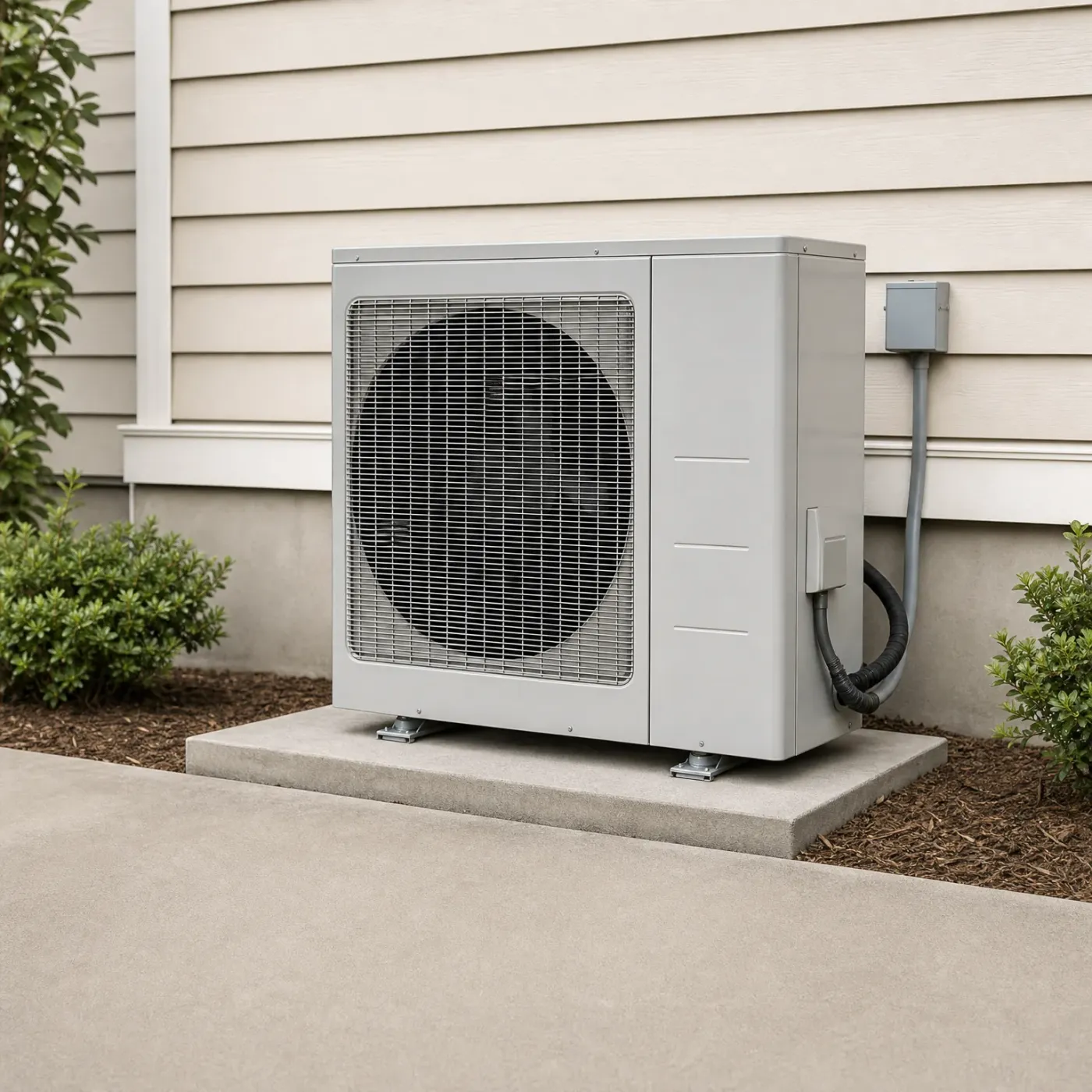
A grey outdoor heat pump unit on a concrete pad beside a white stucco wall and dark siding with a downpipe, with gravel and grass in the foreground.

What a heat pump already does

Your heat pump moves heat instead of burning fuel to make it, running in reverse of how it cools your home each summer. That is why it works on electricity alone and why most Florida homes are built around it rather than a furnace. A furnace paired behind it would sit unused through a typical winter here, and a piece of equipment that never runs still needs upkeep and still takes up space in the system.

Why does your heat pump keep up fine on its own?

Your heat pump already does the job on the handful of cold mornings you get. You're not hearing it labor, you're not seeing the backup strips kick on for hours at a stretch, and your bill isn't spiking every time a front comes through. That's the sign a second heating source isn't solving anything for you. If your system were struggling, you'd notice: longer run times, warm air that doesn't feel warm enough, rooms that take a long time to catch up after a cold night. Florida homes mostly don't see that pattern, because the outdoor temperature rarely stays low enough long enough to push a heat pump past what it's built for. Nothing about running electric heat here puts the house or the equipment at risk.

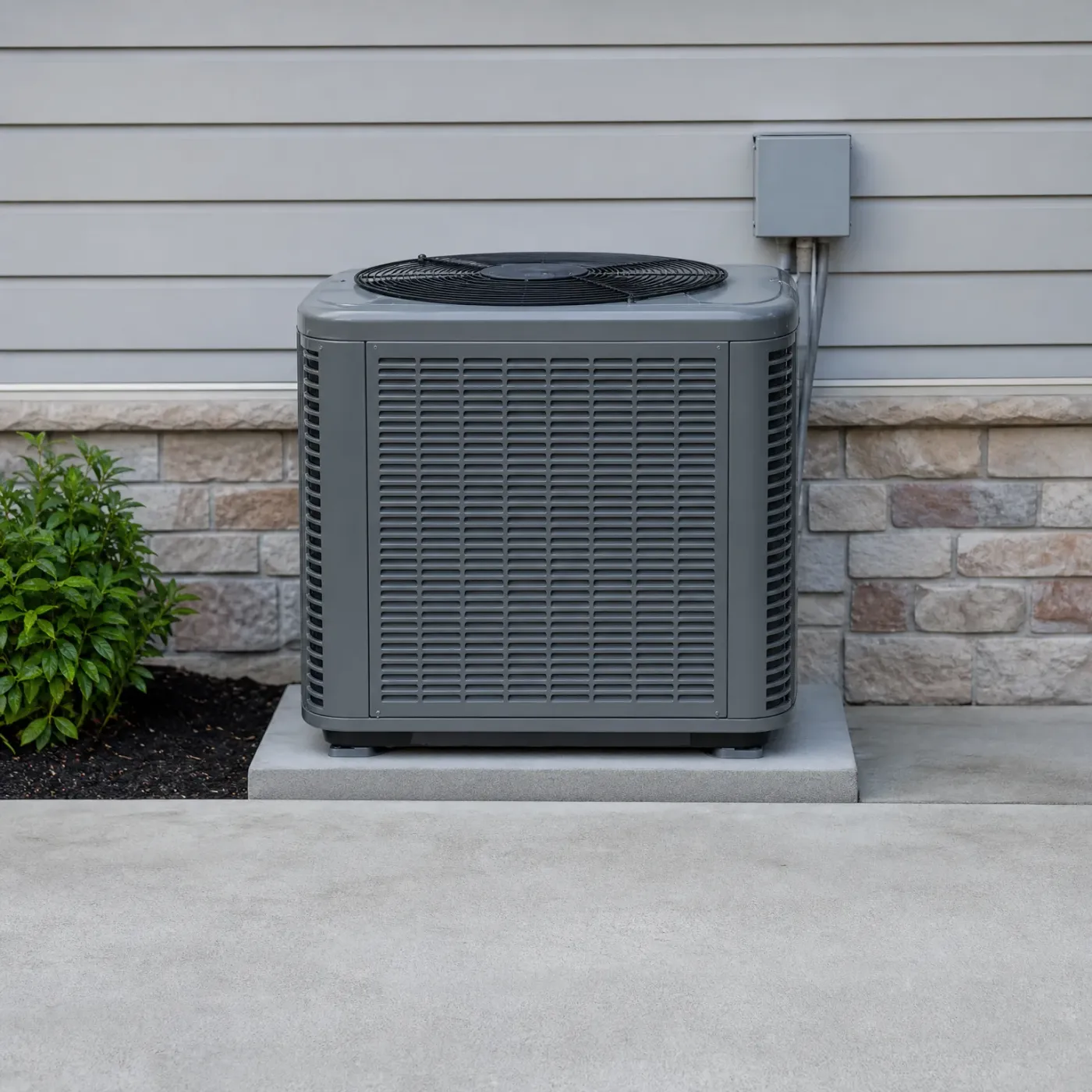
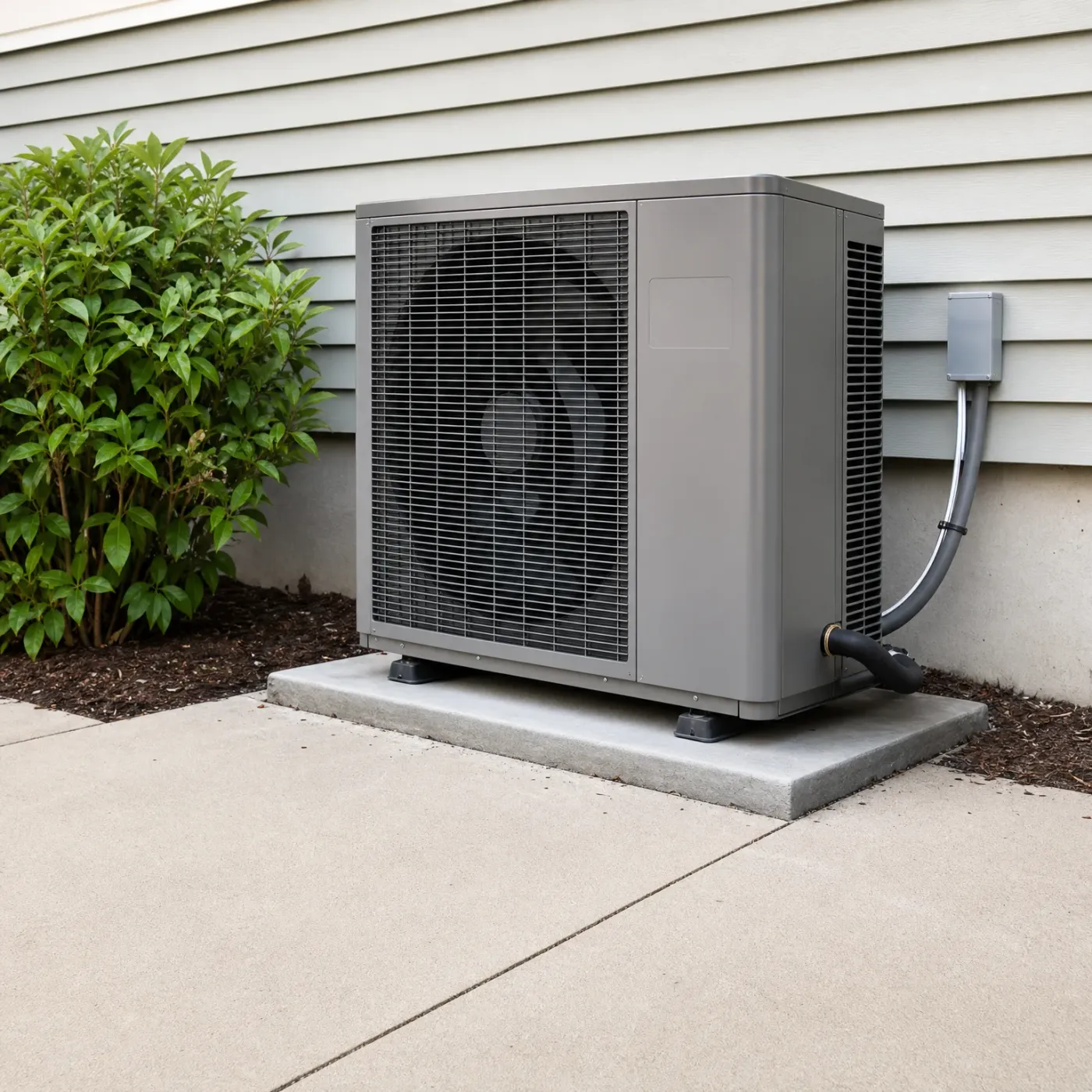
A gray outdoor heat pump unit on a concrete pad beside a house with horizontal lap siding, connected by conduit and a flexible line to a wall-mounted disconnect box, with low shrubs and mulch nearby.

Heat pump running fine

This is what a heat pump doing its job looks like, sitting on its pad with nothing unusual going on. No ice building up on the coil, no strain, no backup heat running for hours. For most Florida homes, this is the whole system, with no furnace needed behind it.
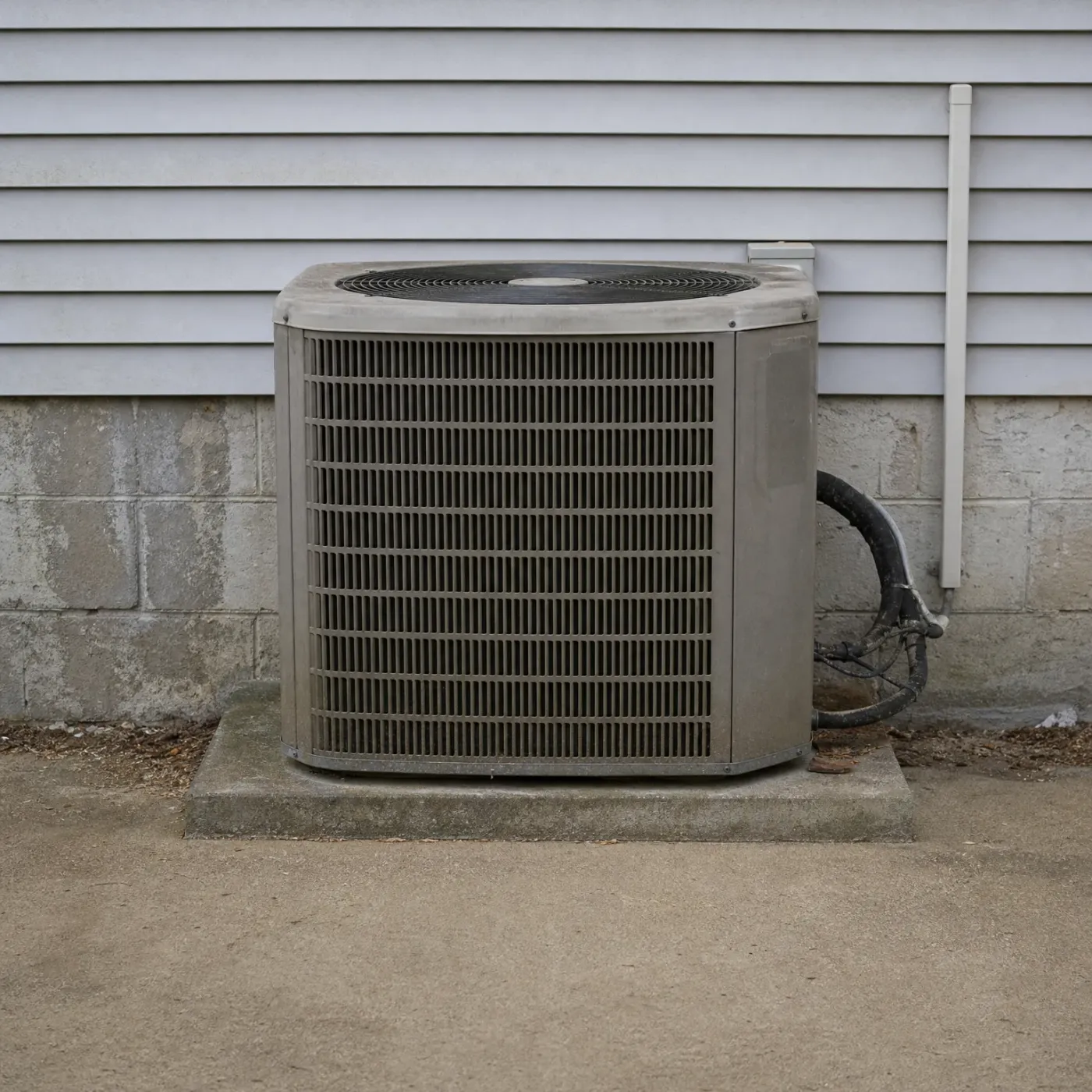
An outdoor air conditioner condenser unit on a concrete pad beside a house with horizontal siding above a concrete block foundation, with insulated refrigerant lines and a vertical white pipe on the wall.

Heat pump struggling or aging

Weathered lines and an older unit are a sign to check the equipment itself, not necessarily a reason to add gas backup. If a heat pump this age is failing to keep up, the fix is usually a repair or a replacement heat pump, not a second heating system for weather that rarely shows up here.

Heat Pump Alone or Dual Fuel

Staying with your heat pump

  • Your heat pump already covers the whole winter here without help, since outdoor temperatures rarely fall into the range where it loses efficiency.
  • You don't add a gas line, a furnace, or a second fuel source to maintain, so there's one system to service instead of two.
  • There's nothing extra to install, so there's no added equipment cost and no new combustion appliance in the house.
  • A heat pump running alone is the setup most electrically heated homes in Florida already have, and it matches how mild winters are here.
  • If the system is undersized or aging, that shows up as long runtimes or backup strip use, and that's a sizing or repair question, not a reason to add a furnace.

Adding a gas furnace backup

  • A furnace only earns its place if outdoor temperatures regularly drop low enough that the heat pump struggles to keep up, which isn't typical here.
  • Installing one means running a gas line if the home doesn't already have one, plus the ductwork and controls to switch between the two systems.
  • You'd be maintaining two heating systems instead of one, each with its own parts that can fail and its own service needs.
  • The switchover only pays off on homes that see real stretches of hard cold, which describes very little of a Florida winter.
  • A local contractor who installs these systems knows what your winters actually demand and can tell you whether your home is the rare exception.
A gray outdoor heat pump unit on a concrete pad beside a house with horizontal lap siding, with a conduit running to a wall-mounted disconnect box and a green shrub to the left.

Running clean, no gas needed

This is a heat pump doing fine on its own, condenser sitting on its pad, nothing unusual about it. No corrosion, no strain on the coil, no second system tied in beside it. For a home already heating with electricity, this is what enough looks like.

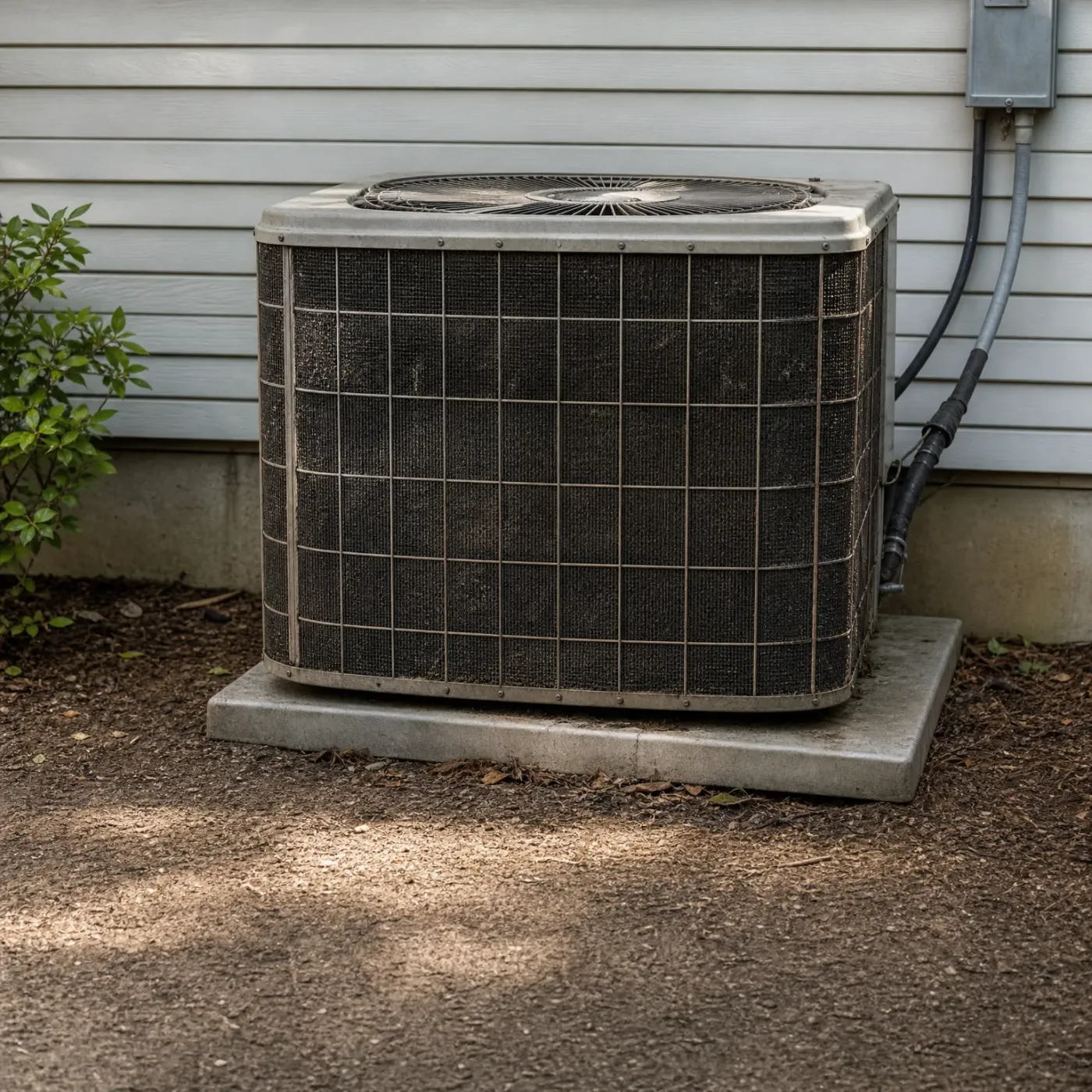
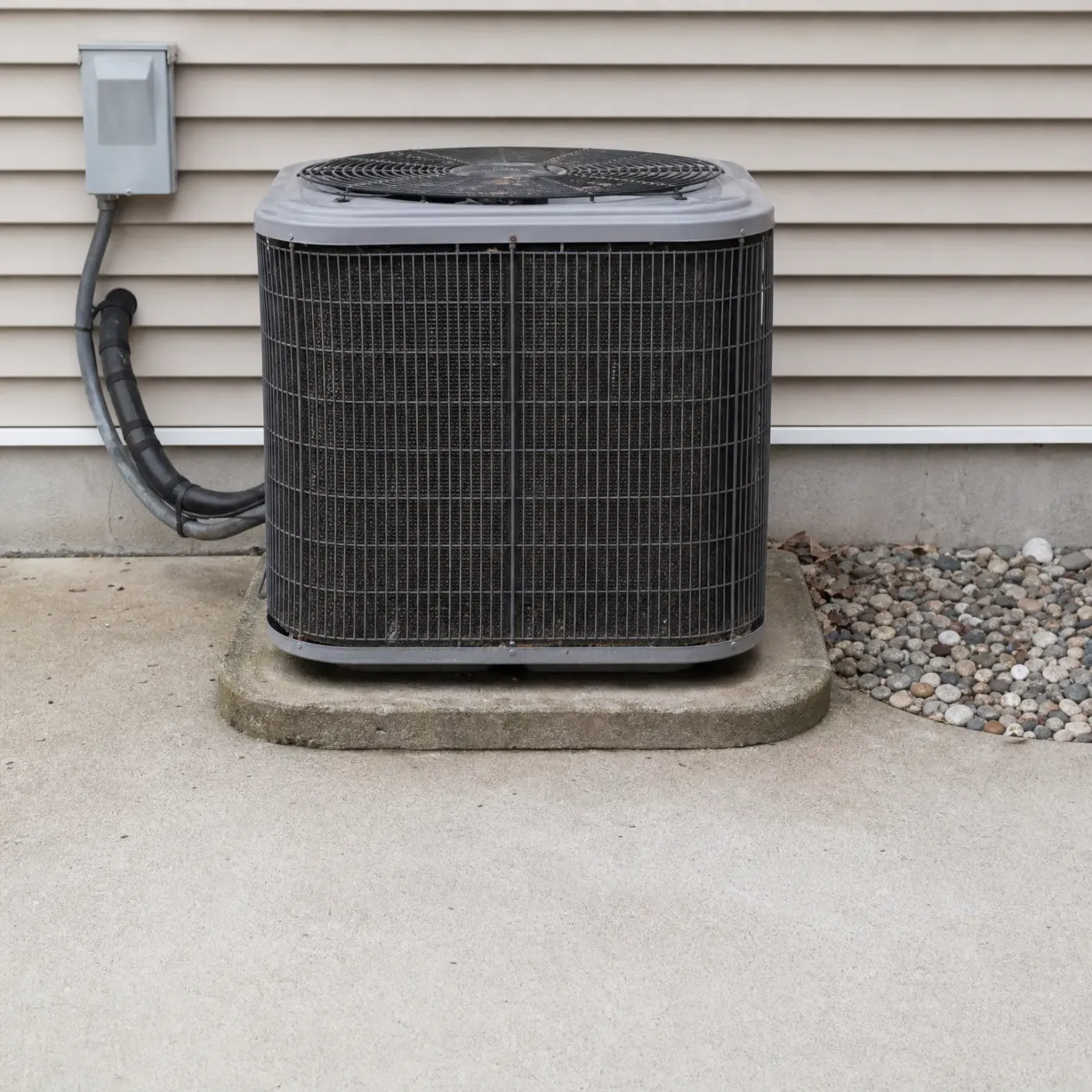
An outdoor air conditioning condenser unit with dusty coils sits on a concrete pad against light horizontal siding, with an electrical disconnect box and refrigerant lines on the wall and a shrub and mulch at left.

What age and neglect look like

This unit is soiled and worn, but that comes from years of outdoor exposure, not from skipping a gas furnace. A dual fuel setup doesn't stop a coil from getting dirty or a cabinet from aging. Keeping the heat pump maintained matters more than adding a second fuel source behind it.

A woman with long gray hair wrapped in a checked blanket sits on a sofa by a window with yellow autumn foliage outside, with a lamp, framed picture and plant in the background.
An older woman in a cream knit sweater sits on a sofa by a window, looking out at sunlit trees with yellow and orange autumn leaves, with a bookshelf and lamp behind her.
A woman with gray shoulder-length hair in a dark knit sweater sits on a cushioned seat by a window, looking out at yellow autumn foliage, with a living room, armchair, houseplant and framed picture behind her.
An older woman with gray hair in a bun, wearing a cream knit sweater, sits on a sofa with a gray blanket and looks out a large window toward yellow-green autumn trees, with a lit table lamp and dark armchair behind her.

A heat pump pro near you

One installer gets your project, so there's no bidding war over it.

You're not committing to anything by asking.

How the switchover actually works

  • A heat pump moves heat from outside air into your home, even when it's cold, by running its refrigerant cycle in reverse.
  • Below a certain outdoor temperature, usually somewhere in the 30s or low 40s, a heat pump can't pull enough heat from the air to keep up alone.
  • That's the switch point where a dual fuel system hands off to a gas furnace, since burning fuel makes heat regardless of how cold the air outside is.
  • Below that switch point, a heat pump without gas backup leans on electric resistance strips inside the air handler, which cost more to run than the compressor.
  • A thermostat built for dual fuel systems reads outdoor temperature and decides which source runs, so the switch happens without anyone touching a setting.
  • The defrost cycle, where a heat pump pauses to melt frost off the outdoor coil, runs more often the colder and more humid the air gets outside.

A heat pump doesn't make heat, it moves it. The refrigerant cycle that pulls heat out of your house in July runs backward in January, pulling warmth from outside air and pushing it inside. That works fine down into the 40s and often the 30s. Below that, the air holds too little heat to pull, and the compressor can't keep up with how fast the house loses warmth. A dual fuel system watches for that point and hands the job to a gas furnace, since burning fuel gives you the same heat output no matter how cold it is outside. A standard heat pump without that backup has no furnace to hand off to, so it falls back on electric resistance strips in the air handler, which draw a lot more power than the compressor does to put out the same warmth. None of this takes a hand on the thermostat. A dual fuel thermostat tracks outdoor temperature on its own and decides which source should be running at any given moment. There's a second thing happening in the background too. Whenever frost builds up on the outdoor coil, the system has to pause and run a defrost cycle to clear it, and that happens more often as the air outside gets colder and wetter. In Florida, the outdoor air rarely gets cold or dry enough, long enough, to push a heat pump past what it can handle on its own.

A woman in a cream knit sweater sits in an armchair with her eyes closed and a slight smile, beside an open window showing orange autumn foliage, with a mug, books and a lit candle on a small side table.
An older man with gray hair and a beard leans back on a beige sofa with his eyes closed, in a sunlit room with potted plants, a wicker chair and large windows behind him.

When dual fuel still makes sense

If your home has a gas line already run for a furnace or water heater, adding the furnace side costs less than starting from nothing. A dual fuel setup also gives you a backup if you're ever without power for a stretch, since a gas furnace with a standing pilot keeps running without electricity. And if you've had a heat pump freeze up or run constantly during one of those rare hard freezes, backup heat removes that worry for good, even if it only matters a few nights a year.

Why most Florida homes skip it

Adding a furnace means adding a second system to install, vent, and keep in good repair, on top of the heat pump you already have. For a home that heats with electricity and sees only a handful of cold mornings a season, that furnace sits unused most years. The gas line itself is another cost most homes here don't already have. Unless you have a specific reason to want a backup fuel source, the heat pump you have is already sized for what Florida winters ask of it.

Power costs 15.21 cents per kilowatt-hour statewide

At 15.21 cents per kilowatt-hour, power here runs close to the national average, so your heat pump isn't costing you extra just for being electric. Adding a furnace wouldn't lower that rate. It would just give you a second fuel to pay for on top of it.

EIA-861 2025 statewide residential average

If you run a space heater in one room most winter mornings because the heat pump feels slow to catch up, that's a comfort complaint, not a sign the system is failing.

A furnace would answer that faster, but so would checking the heat pump's airflow and refrigerant charge first, since a lot of that lag traces back to something smaller than a second fuel source.

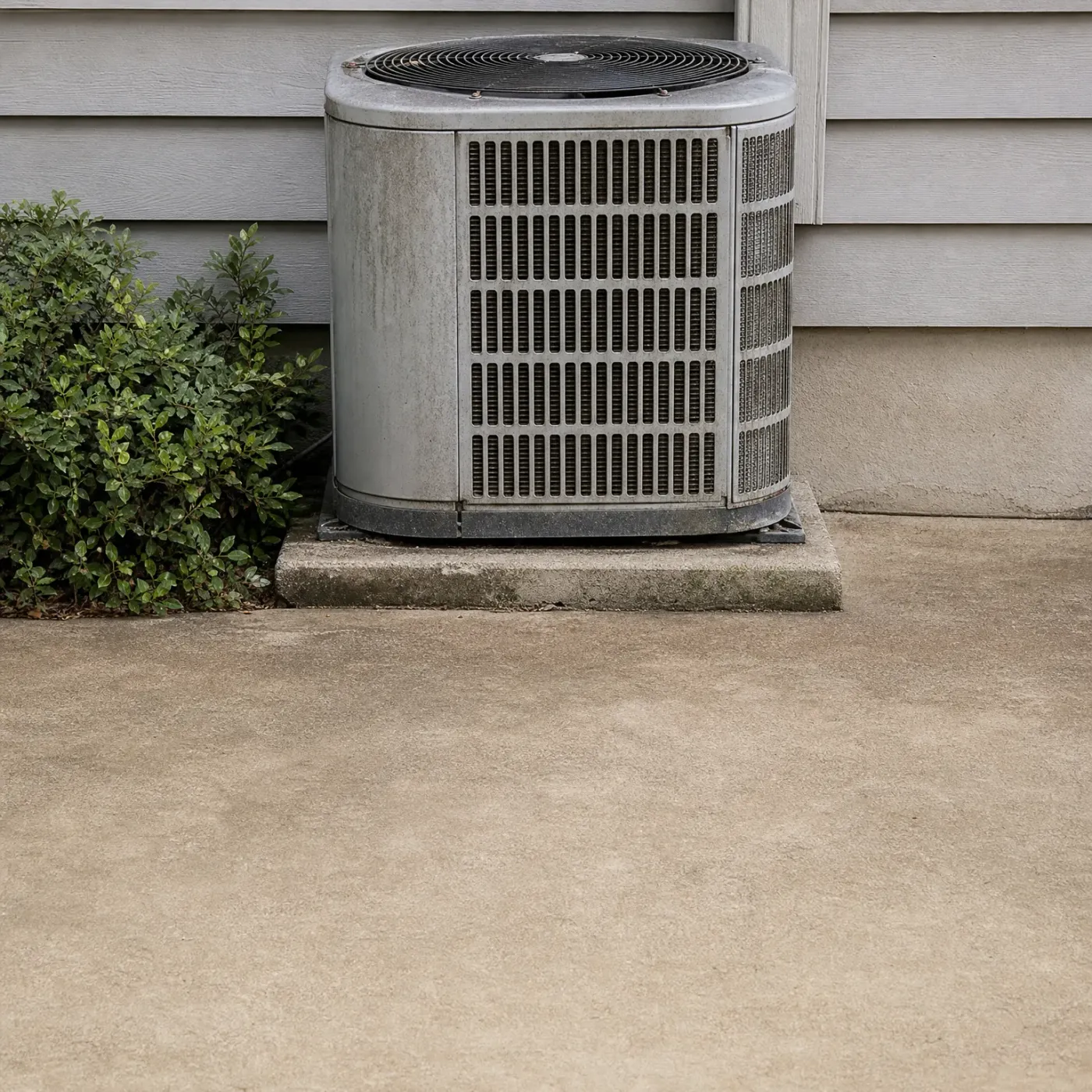
An outdoor air conditioning condenser unit on a concrete pad beside a house with horizontal lap siding, with a green shrub to the left and a wide concrete slab in the foreground.
Before you get your heat pump installation
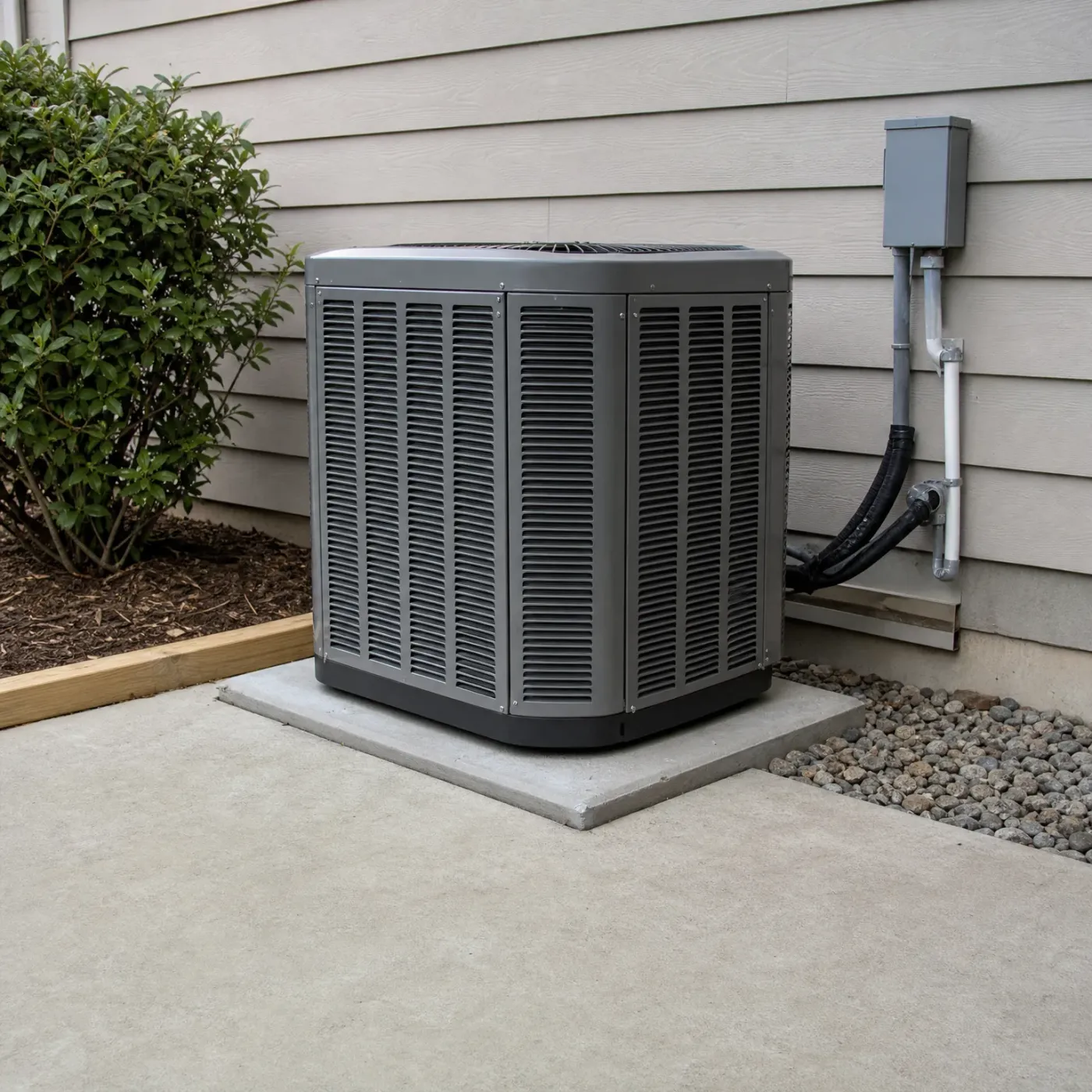
A gray outdoor condenser unit on a concrete pad beside a house with horizontal lap siding, with a wall-mounted disconnect box, conduit and insulated refrigerant lines, a shrub at left and gravel at right.
After you get your heat pump installation
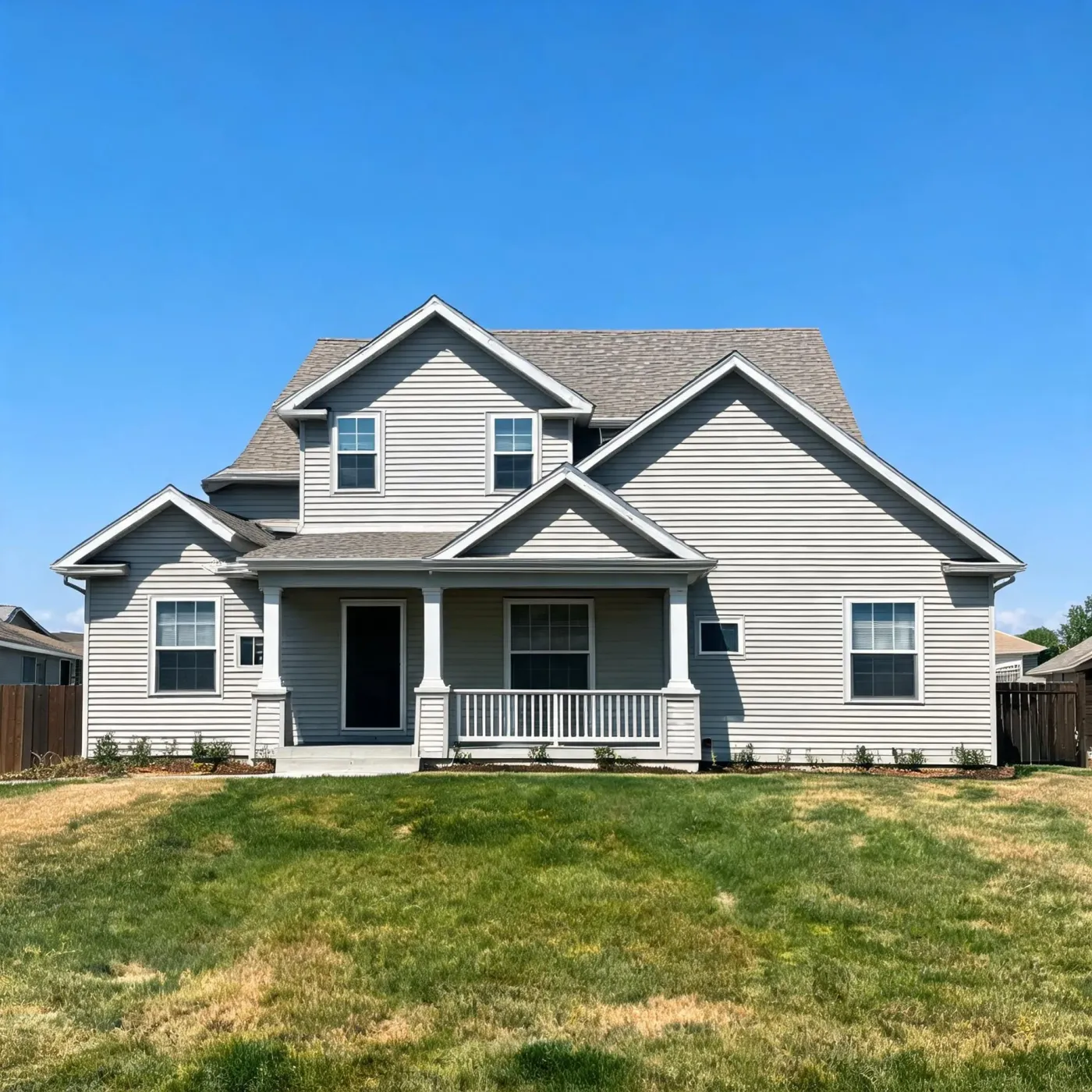
A two-story gray horizontal-siding house with multiple gables, a covered front porch with white columns and railing, and a dark front door, fronted by a patchy green and brown lawn under a clear blue sky.

What drives your heat pump's workload in summer isn't the heat alone, it's the moisture in the air. Averaged across June, July and August, the dew point where Florida homes sit runs 74°F, according to NOAA climate data. That's heavy, sticky air, and your heat pump has to pull that moisture out along with cooling the space. It runs longer to do both. A dual fuel setup doesn't change any of this, since the furnace side only matters for winter mornings. Summer is still on the heat pump alone.

NASA POWER T2MDEW county cells weighted by homes

A gray outdoor condenser unit sits on a concrete pad against a house wall with horizontal siding above a stone veneer base, with an electrical disconnect box and conduit on the wall and a leafy shrub in mulch to the left.
A clean coil like this one pulls humidity out of the air all summer without a furnace standing by to help it.
An outdoor air conditioner condenser unit on a concrete pad beside a house with beige vinyl siding, with a gray electrical disconnect box and insulated refrigerant lines on the wall and river rock to the right.
Dirt packed into the fins like this cuts into the one job your heat pump does alone, no backup gas system to pick up the slack.
  1. Your thermostat calls for heat and the heat pump starts first.

  2. The reversing valve sends refrigerant backward to pull heat from outside air.

  3. Outdoor temperature drops below the point where the heat pump keeps up.

  4. A dual fuel system's control board shuts the heat pump off.

A woman in a cream cardigan and jeans stands with one hand raised facing an open front door of a gray horizontal-siding house, with a black lantern wall light, a potted shrub with yellow flowers, and a stone-faced porch column.

Your heat pump is already doing the job

For a home that heats with electricity, staying with the heat pump you have is the right call. Nothing about your winters asks for a second fuel source standing by.

If you want a second opinion on how your system is running before you settle on that, a local contractor who services heat pumps all season can look at yours specifically and tell you where you stand. You'd be matched with one contractor who knows this equipment and what tends to go wrong with it here, not a list of companies calling you back.

Interior corner of a room with a window and sheer curtain at left, a gray upholstered sofa with a cushion at right, and a round wooden table holding stacked books and a round vase with an olive branch.
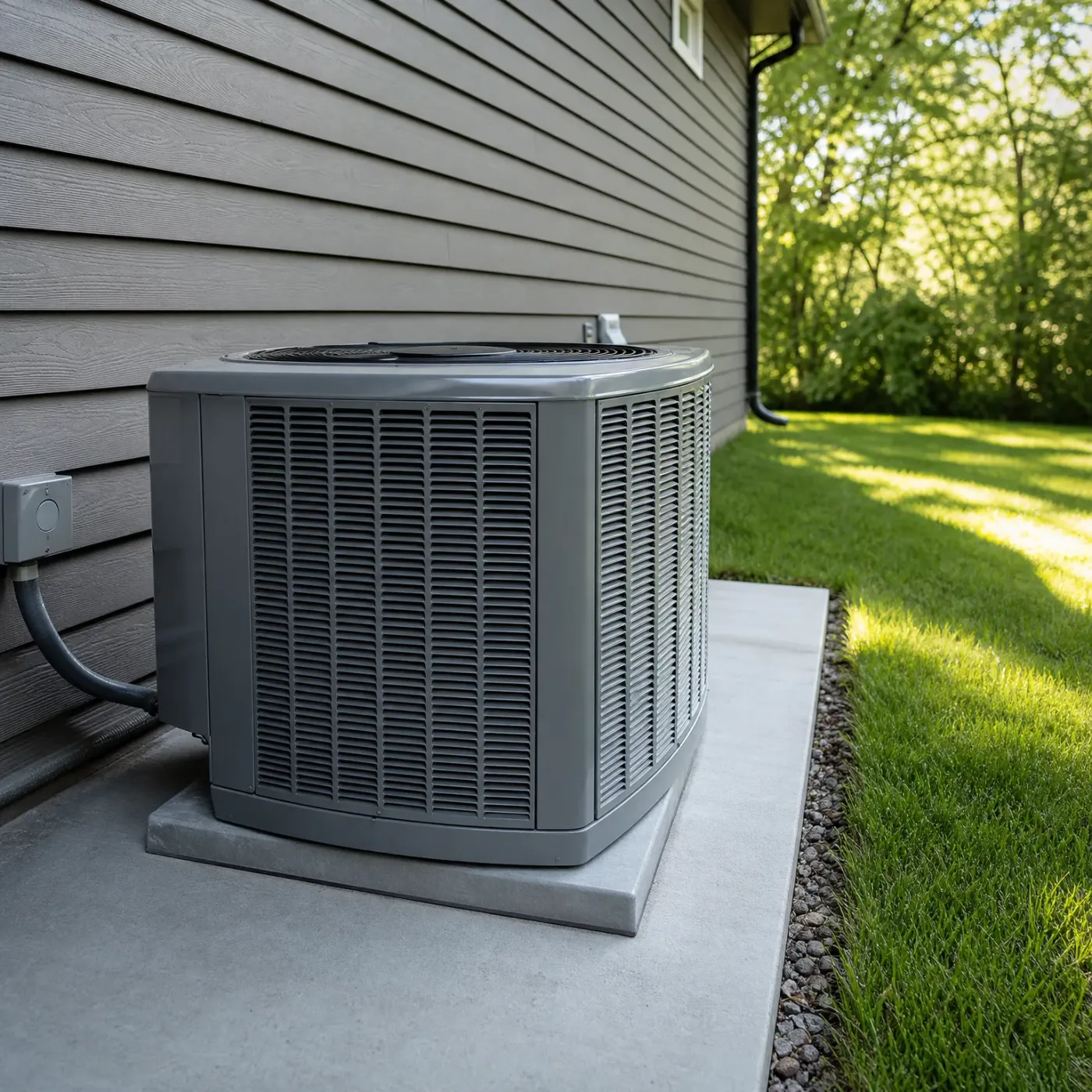
A gray outdoor air conditioner condenser unit on a concrete pad beside a house with horizontal lap siding, with an electrical disconnect box and conduit on the wall, a downspout, gravel edging and a green lawn with trees to the right.

A local pro for your heat pump installation

Get a heat pump pro

Your request goes to one pro, not a list of companies.

It costs nothing to send, and you don't have to hire anyone.