Running nonstop
If your heat pump never shuts off even on a mild afternoon, it's losing the fight to keep up. That strain adds up on a system nobody's checked in a while.

Winter here doesn't mean cold the way it does up north, but your heat pump still cycles on more than you'd expect on the chillier mornings and nights. You might notice it running longer stretches than it seemed to last year, or switching on and off more often than feels right, and you're trying to figure out if that's just how it works in Florida or a sign something needs a look.
Most Florida winter mornings only dip into the 40s and 50s, so your heat pump should turn on, bring the house up to temperature in a short cycle, then shut off until it drops again. On the rare nights that fall into the 30s, it will run longer and more often since it has more ground to make up and the outdoor air gives it less heat to pull from. What it shouldn't do is run constantly all day without shutting off, or click on and off every few minutes. Either of those points to something off with the system rather than the weather, and it's worth having someone check it before a small issue turns into a bigger one.
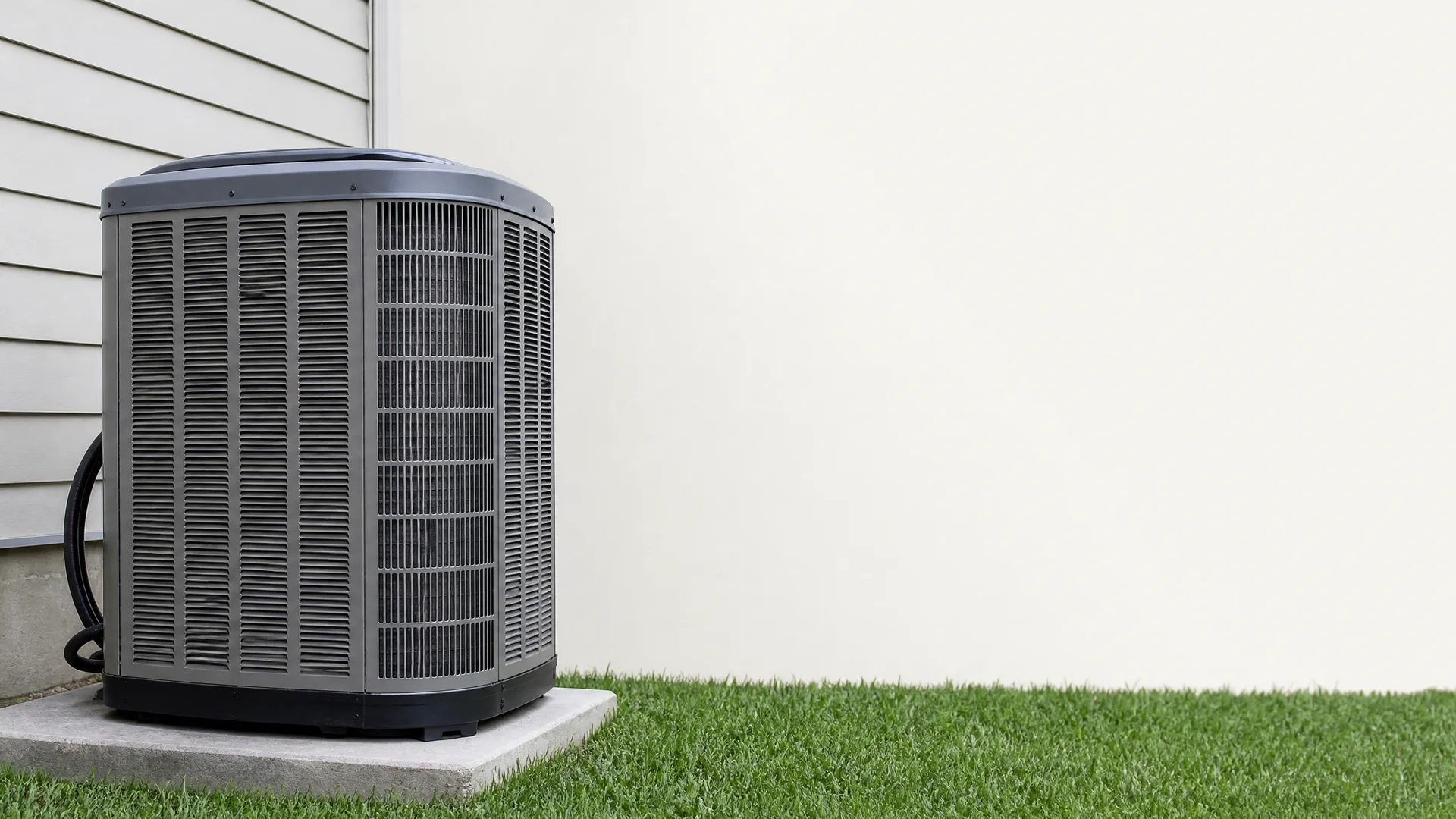
On the coldest mornings, frost can form on the outdoor coil. The system reverses itself for a few minutes, sending heat outside to melt that frost, and you may hear a whoosh or see steam rise off the unit. That's normal. It's part of why run times stretch longer on those mornings than on a mild afternoon in the 60s.
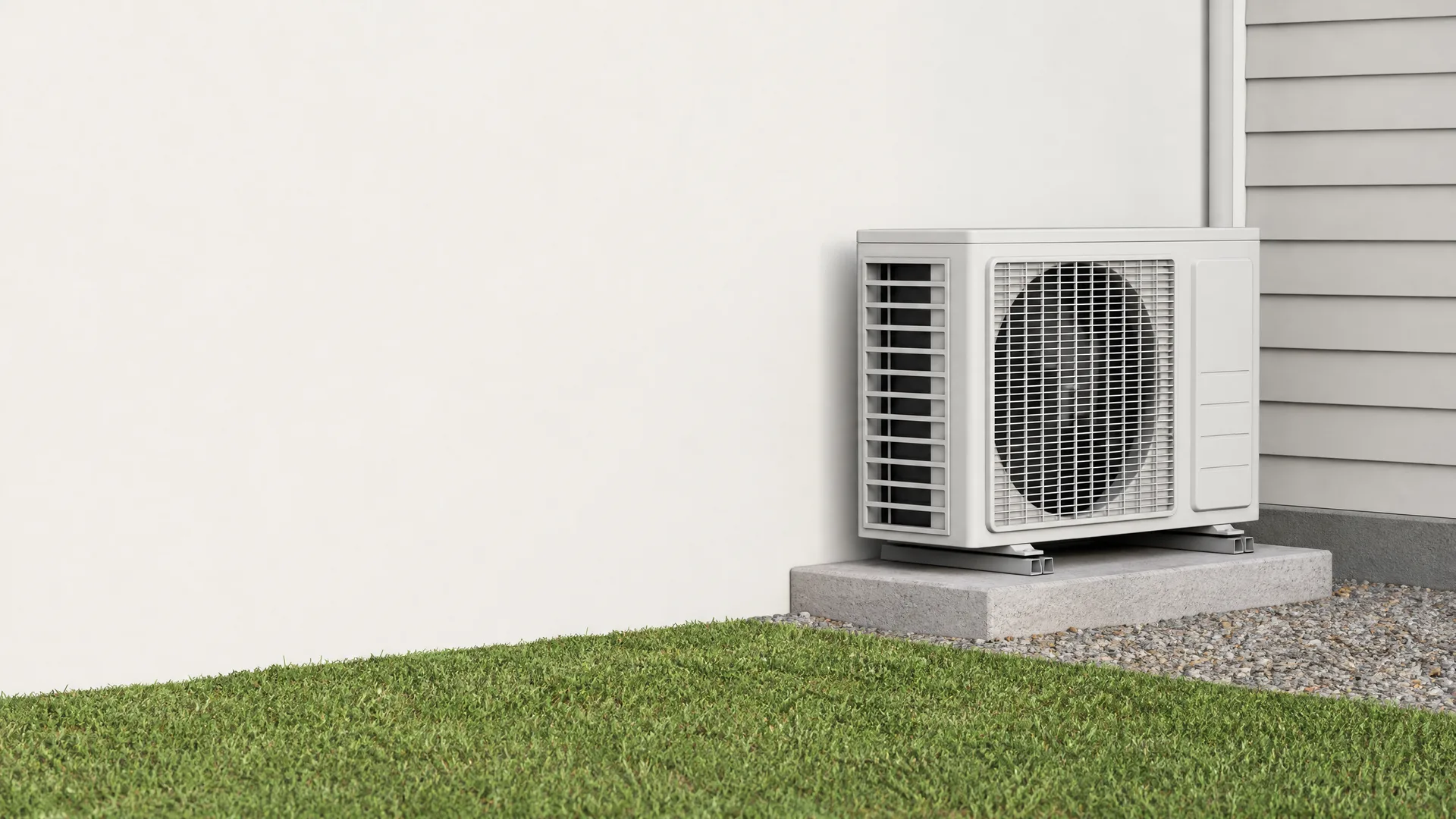
A heat pump that runs steadily for 20 or 30 minutes on a cold night and then shuts off is working the way it should. One that runs constantly without shutting off, or that short-cycles on and off every few minutes, is telling you something is off, whether that's low refrigerant, a dirty coil, or a thermostat issue. Catching that pattern early is what keeps a small fix from turning into a bigger one.




Answer a few questions instead of calling shop after shop.
A local pro who services heat pumps gets in touch about the tune-up.
It costs nothing to send, and you don't have to hire anyone.
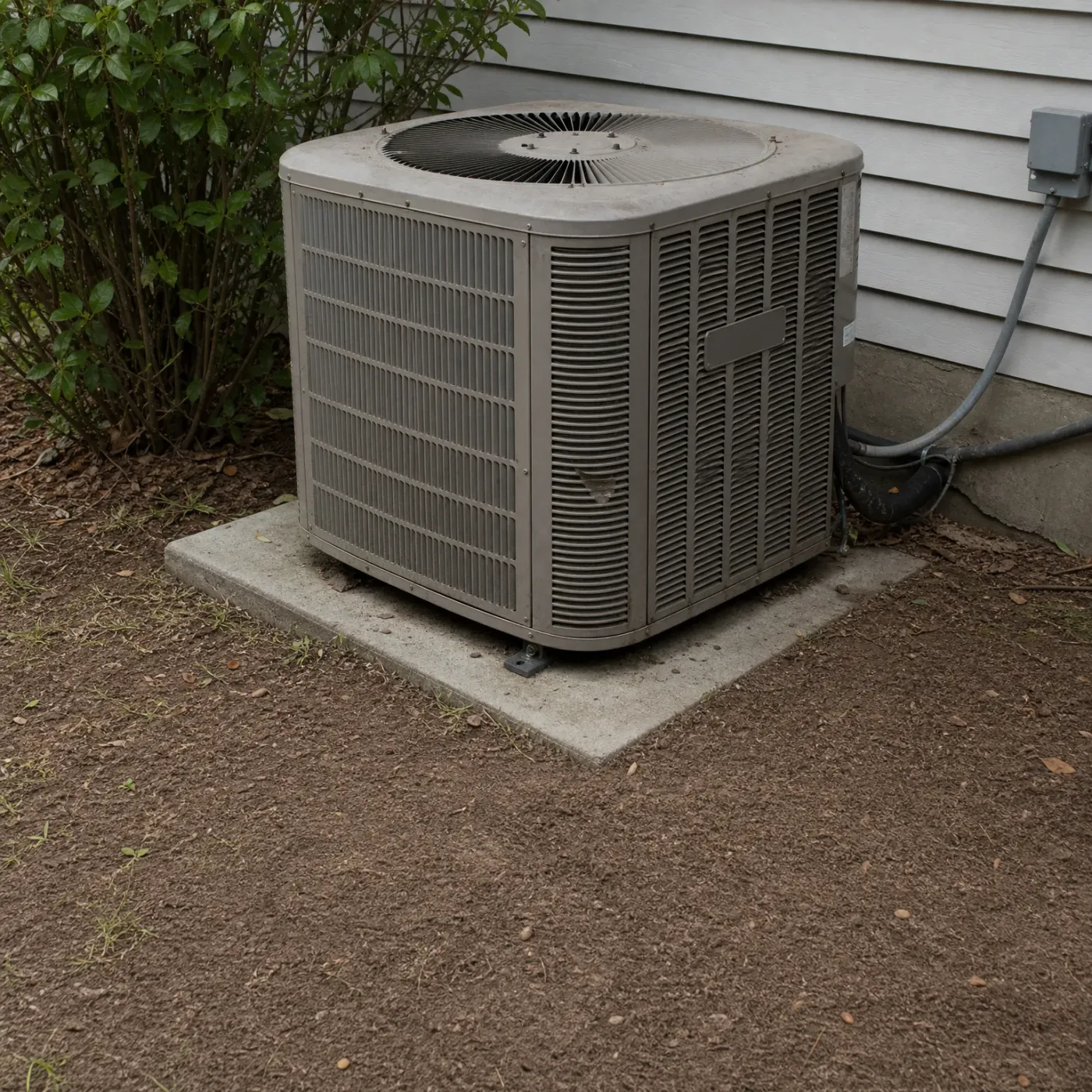
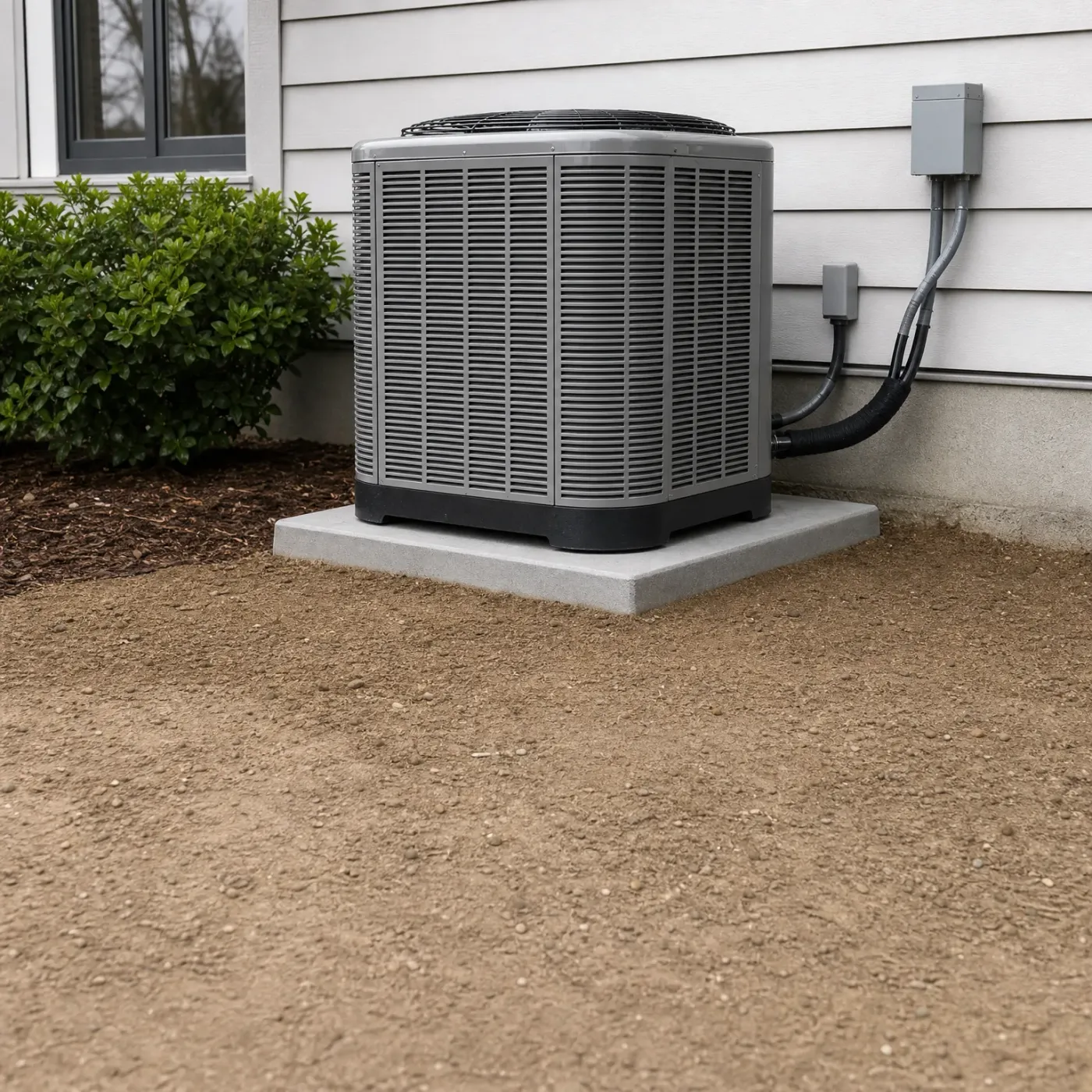
A heat pump doesn't make heat the way a furnace does. It pulls warmth out of the outside air and moves it inside, which works fine until that air gets cold enough to hold less heat to grab. That's when you'll notice longer run times on chilly mornings, because the system has to work harder to pull the same warmth out of thinner air. If it still can't keep up, backup heat strips kick in to cover the gap, usually the coldest hour or two before sunrise. Leaving your thermostat at one steady setting instead of pushing it up a few degrees when you walk in helps the system stay in its normal mode instead of switching to backup heat, which costs more to run. A dirty filter or a vent with something blocking it makes the unit push harder for the same airflow, adding to the run time you're already seeing from the cold. And if the system runs but the air coming out never warms up, the reversing valve that switches it between cooling and heating may be stuck.


If your heat pump never shuts off even on a mild afternoon, it's losing the fight to keep up. That strain adds up on a system nobody's checked in a while.
A heat pump that cycles on, warms the house, and shuts off again is working the way it should. Maintenance keeps it that way through the rest of winter.
At 15.21 cents per kilowatt-hour, every extra minute your heat pump runs in defrost or on a long cycle shows up on the bill. A system that's been checked over cycles the way it should and doesn't run longer than the weather calls for.
EIA-861 2025 statewide residential average
A heat pump in Florida should run longer on the cold mornings and cycle normally the rest of the time. That's the whole answer. If yours runs nonstop, or you hear it defrosting more than a few times an hour, something's off and it's worth a look before the next cold snap finds the weak spot. Chasing that down on your own means calling a handful of contractors, explaining the same symptoms each time, and weighing quotes that aren't really comparable because no two companies checked the same things. Getting matched with a contractor who works on heat pumps in your area skips that part. You explain it once, to someone who shows up knowing the kind of system you have and what Florida winters ask of it. You still end up with someone looking at your unit. You just don't spend your evening finding them.


Fill out one form instead of calling around for a heat pump tune-up.
There's no charge for the request.